Patient credits his dentist for pointing out the risk of a stroke
There is a day and a half of David’s life he will never remember.
He knows he went to bed Sunday night with a migraine, which was not unusual due to a long-term jaw condition. The next thing he knows, it’s Tuesday afternoon.
What David does remember, however, is a dentist who noticed a concerning sign on an X-ray that pointed to an increased risk of stroke. Both David and his wife remember that conversation very clearly—the concern, the questions, and the time spent understanding what to watch for.
“A stroke was never something my family or I thought was a possibility at this stage of my life,” says David. “If Dr. Beeson hadn’t looked beyond the reason I came in that day and seen the bigger picture, I truly believe I wouldn’t be here today.”
Something about this must have stood out. He’s not sure which symptom first alerted him, but something did. At some point on Monday, he told his wife he thought he was having a stroke. Because they were aware of the warning signs and potential risk, she acted immediately and took him to the nearest emergency room right away.
When it comes to strokes, the evidence is clear: moments matter. Acting quickly can make the difference between recovery and long-term impact. In David’s case, awareness and timely action helped ensure he received the care he needed when it mattered most.
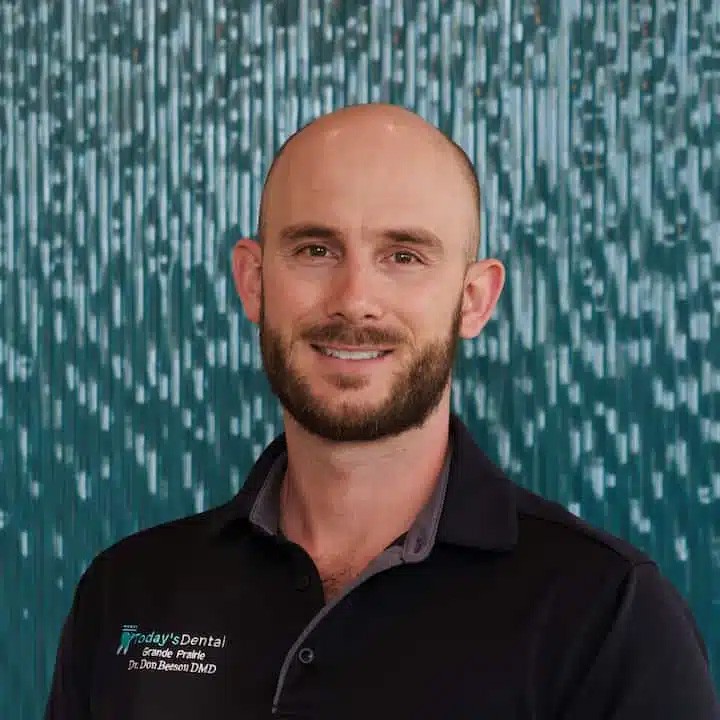
Dr. Donald Beeson
“There are lots of times where we have the opportunity to be the first one to let someone know there might be an issue.”
Dr. Donald Beeson
A Conversation That Stayed With Him
The conversation that helped save David’s life took place weeks earlier during an emergency dental appointment in Grande Prairie for an unrelated issue.
While reviewing an X-ray, Dr. Donald Beeson noticed what appeared to be carotid artery calcifications—a possible indicator of increased stroke risk. The finding was incidental, but important enough to discuss further and recommend medical follow-up.
“David later emailed me saying, ‘You saved my life,’” Dr. Beeson recalls. “He said he wouldn’t have considered those symptoms related to a stroke if we hadn’t discussed the possibility that he could be at risk.”
For Dr. Beeson, the experience reinforced something many dental professionals see regularly: dentistry is about far more than teeth.
“We are doing more than just treating cavities and extracting teeth,” he says.
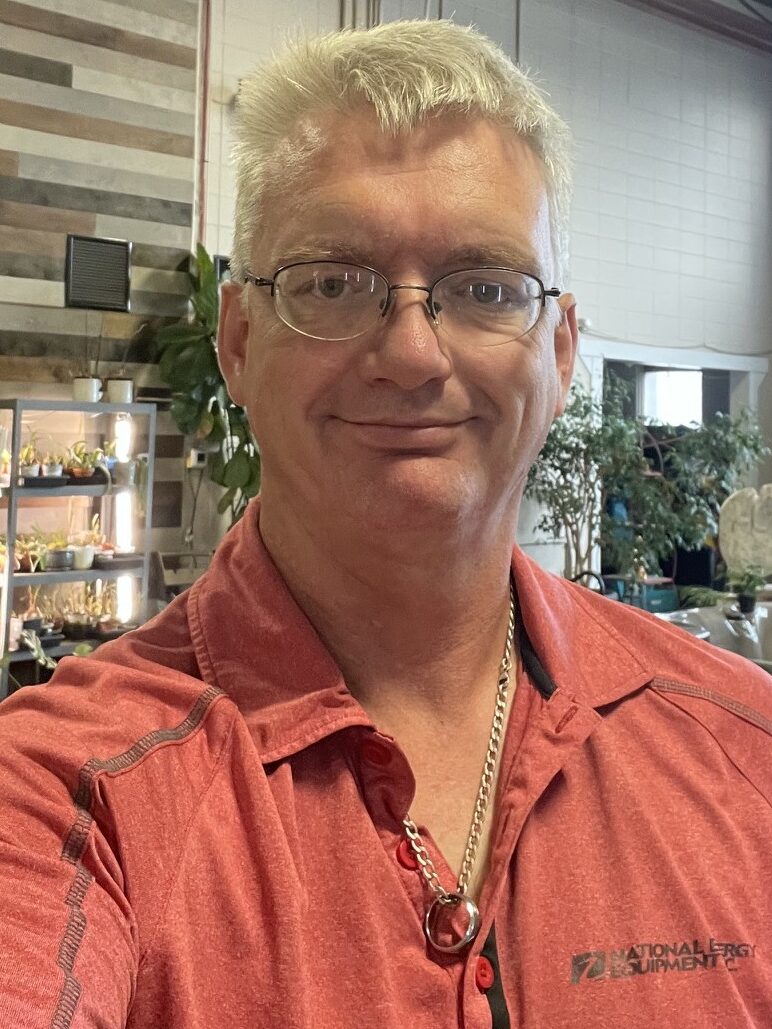
“A stroke was never something my family or I thought was a possibility at this stage of my life. If Dr. Beeson hadn’t looked beyond the reason I came in that day and seen the bigger picture, I truly believe I wouldn’t be here today.”
David
Looking Beyond the Immediate Issue
Dental professionals are often among the most consistent healthcare providers patients see. During routine exams, blood pressure checks, X-rays, and oral cancer screenings, dentists and hygienists can sometimes identify signs of broader health concerns patients may not yet be aware of.
“There are lots of times where we have the opportunity to be the first one to let someone know there might be an issue,” says Dr. Beeson.
That broader connection between oral health and overall health reflects the preventative mindset dentistry is built on, identifying concerns early, communicating clearly, and helping patients take action before small issues become larger problems.
Over the years, Dr. Beeson said he has helped identify concerns ranging from high blood pressure to thyroid disorders and possible skin cancers.
The experience with David also became a reminder within the clinic itself. Staff members became even more attentive to unusual findings and more proactive about speaking up when something appeared concerning.
“Having more eyes on it is always more helpful,” Dr. Beeson confirms.
Stroke Awareness
According to the Heart and Stroke Foundation of Canada, recognizing the signs of stroke and acting quickly is critical. Canadians are encouraged to remember the FAST acronym:
Face — Is the face drooping?
Arms — Can the person raise both arms?
Speech — Is speech slurred or confused?
Time — Call 9-1-1 immediately.
Other symptoms can include sudden severe headache, numbness, dizziness, confusion, vision loss, or difficulty walking.
Even if symptoms improve or disappear, immediate medical attention is still essential.
A Lasting Reminder
For Dr. Beeson, David’s story is a powerful reminder of how quickly life can change.
“This was probably the most extreme example where you realize there’s a big connection [between oral health and overall health],” he said. “Take care of yourself. Life is short. Don’t skip out on seeing doctors.”
For David and his family, the experience is a lasting reminder of the importance of paying attention to our health, listening when something feels wrong, and taking concerns seriously. While that Monday is still completely missing from David’s memory, the awareness and conversations that began during a dental appointment helped him and his wife recognize the seriousness of the situation and act quickly.
David later reflected that if Dr. Beeson had not looked beyond “just a dentist’s job” and taken the time to see the bigger picture, he would not be here today. Instead, he is continuing his recovery and making new memories with his family.
ARTICLE by Shawn Platt PHOTOS supplied by subject
Need a dentist?
You can find one that works for you by using our Find-a-Dentist tool. Filter by location, specialty, and language.